Ski Gear Selection for the Alps – Geometry, Boot Flex, and DIN Binding Setting (ISO 11088)
How to select skis for alpine conditions: 68-75mm waist for groomed piste vs 85-100mm all-mountain, turning radius R, boot flex index 80-130, and ISO 11088 DIN binding setting.
1. Ski Geometry – Waist Width and Sidecut Radius (R)
High Alpine skiing involves long descents (5–12 km continuous runs) and evolving snowpack from morning ice to afternoon slush:
• Waist Width:
- 68–75mm (Piste / Race Carving): Lightning-fast edge transitions and supreme bite on injected hardpack.
- 78–88mm (All-Mountain Frontside): The sweet spot for week-long trips, plowing smoothly through afternoon tracked snow.
- 92–105mm (Freeride / 50-50): Maximum floatation in untracked powder while holding composure on connecting groomed tracks.
• Sidecut Radius (R): 12–13m slalom geometry requires energetic short radius arcs. 15–17m versatile sidecuts deliver relaxed medium radius cruising.
2. Ski Boot Flex Index Selection
Ski boots transmit every muscular impulse directly to the steel ski edges. A boot that is too soft offers sluggish response, while an overly stiff cuff locks the ankle joint:
• Men: Casual / sub-75kg: Flex 80–90. Intermediates: Flex 100–110. Advanced / Experts: Flex 120–130.
• Women: Recreational: Flex 70–80. Intermediates: Flex 85–95. Advanced: Flex 100–115.
• Last Width: Low volume (98mm), medium volume (100mm), high volume comfort (102–104mm).
3. DIN Release Setting under ISO 11088 International Standards
The persistent myth of "dividing body weight by 10" is dangerous and frequently triggers knee ligament (ACL) tears.
The ISO 11088 standard computes release torque using 5 interconnected parameters:
1. Skier weight (kg)
2. Skier height (cm)
3. Age factor: Skiers under 10 or over 50 years receive an automated 1-step DIN reduction due to bone density and connective tissue tolerance.
4. Boot Sole Length (BSL in mm): Stamped onto the heel lug (e.g. 305mm). Longer soles create greater leverage, necessitating lower DIN numbers!
5. Skier classification: Type 1 (cautious), Type 2 (intermediate), Type 3 (aggressive high speed).
Często zadawane pytania (FAQ)
Przejdź do głównej wyszukiwarki LetsGoWinter
Przeszukaj ponad 1 900 zweryfikowanych ofert od 32 licencjonowanych polskich organizatorów ze skipassem i dojazdem. Ceny 1:1 bez prowizji.
Pozostałe poradniki
Wszystkie artykułyFrancja czy Włochy? Gdzie najlepiej pojechać na wyjazd w Alpy?
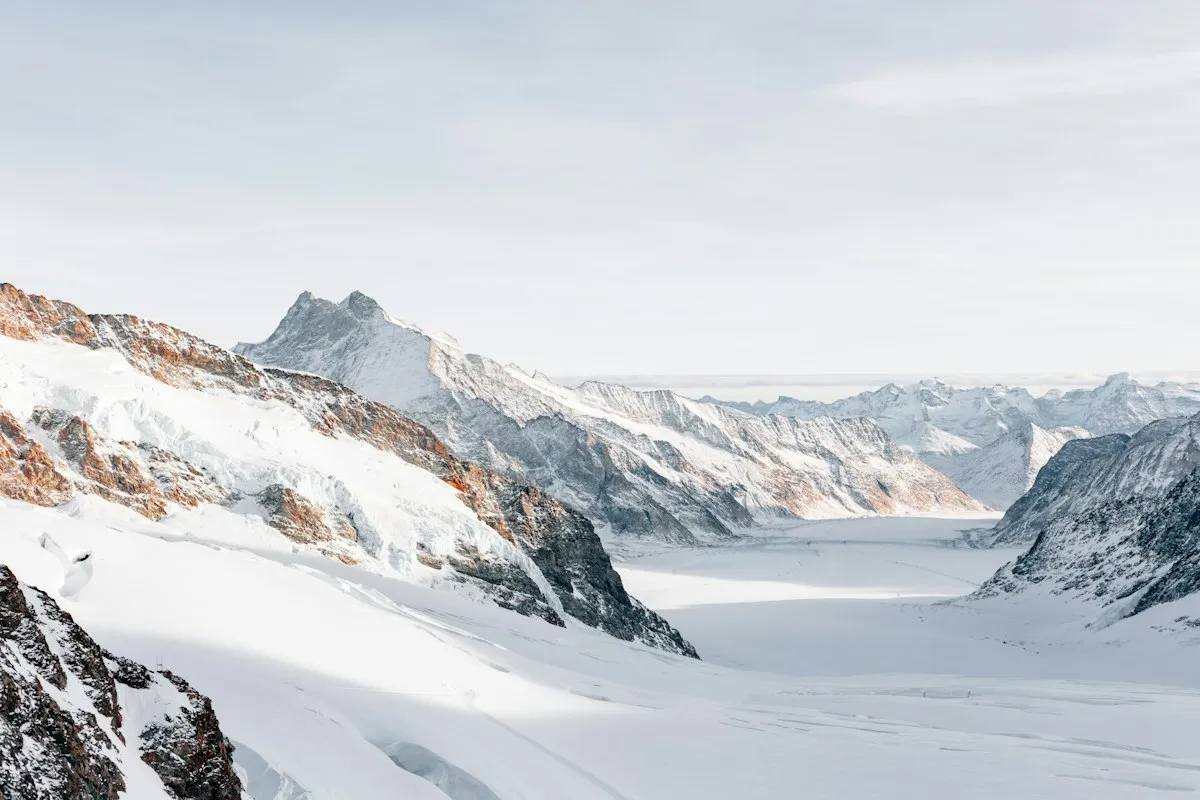
Gwarancja śniegu: najlepsze lodowce w Alpach na grudzień i kwiecień
Skipass w cenie – jak czytać oferty i nie dać się zaskoczyć dopłatom?